

Czech PM Candidate Backs Crypto | Can Europe Make Its Starlink? | EU Partners With South America


In this week’s edition you’ll read about:
Czech Opposition Leader, Andrej Babis, Follows Trump In Backing Crypto
Can Europe Step Up Its Space Game Before It’s Too Late?
The EU Ties Partnerships With South America As U.S. Tariffs Loom
Even A CEE Populist Gets Behind Crypto Now
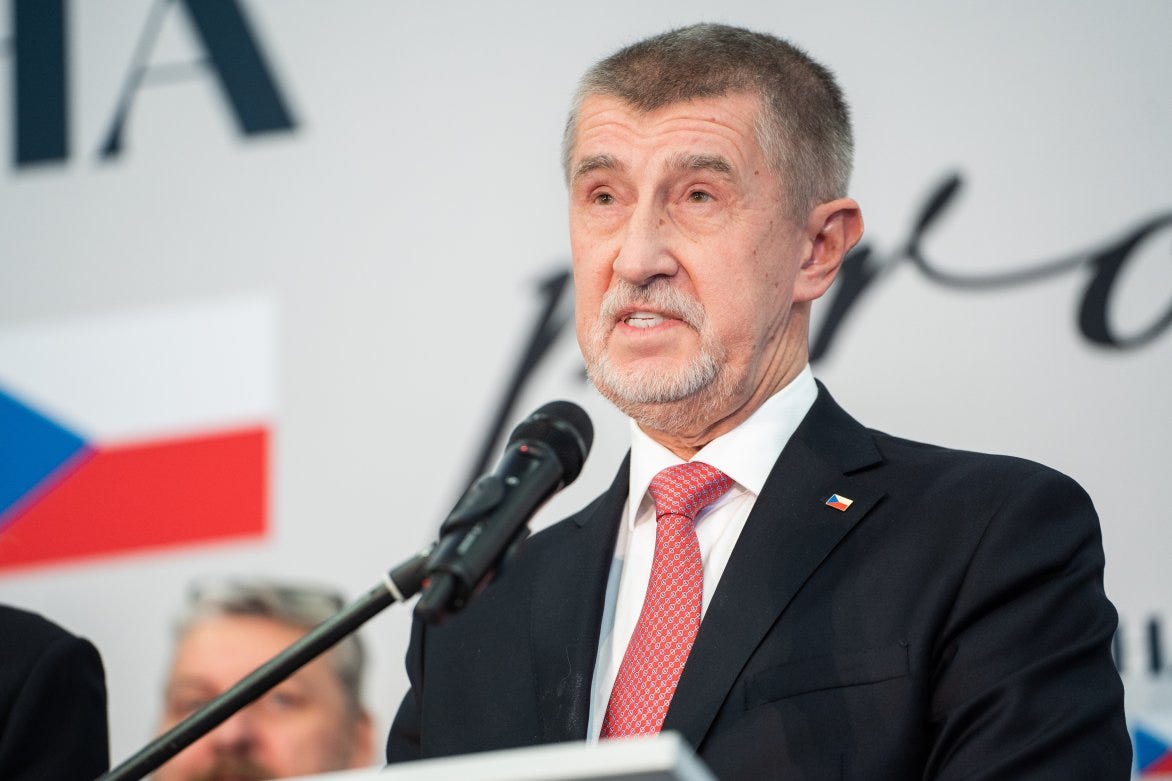
Andrej Babiš, Czech election poll leader, joins the crypto craze following Donald Trump and Vladimir Putin.
“Cryptocurrencies are a phenomenon I used to associate with risk and uncertainty. They seemed volatile and difficult to understand,” said Andrej Babiš at the crypto conference Emergence in Prague on Thursday. However, he says he now sees their economic potential, which he believes the Czech Republic should embrace.
Babiš credited U.S. President-elect Donald Trump for inspiring his pivot. The former prime minister, businessman, and ex-communist secret police agent, who previously called crypto “a lottery,” is now positioning himself as a proponent of the sector.
Babiš isn’t alone. On Friday, 174 members of the Czech parliament voted across party lines to pass a landmark crypto regulation aligned with the EU’s forthcoming MiCA framework. The legislation, which still needs to be approved by the Senate, will designate the Czech National Bank as the sector’s regulator, establish professional standards for service providers, and align crypto taxation with traditional assets like stocks or bonds. Notably, profits from crypto held for over three years or below 100,000 Czech crowns (€4,000) annually will remain tax-free.
Trump’s crypto enthusiasm, once unthinkable, gained momentum during his campaign, supported by investors like Peter Thiel and Marc Andreessen, who have major stakes in the crypto industry.
According to Bloomberg, Trump has also embraced crypto in more personal ways—selling NFT portraits of himself since May. Rebranded as a crypto advocate, Trump now plans to establish strategic crypto reserves and his family even launched its own crypto project, World Liberty Financial, in October.
Surprisingly, even Russian President/Dictator Vladimir Putin has backed Bitcoin as part of his strategy to undermine the U.S. dollar. Although, his money-laundering oligarchs have embraced crypto a long time ago.
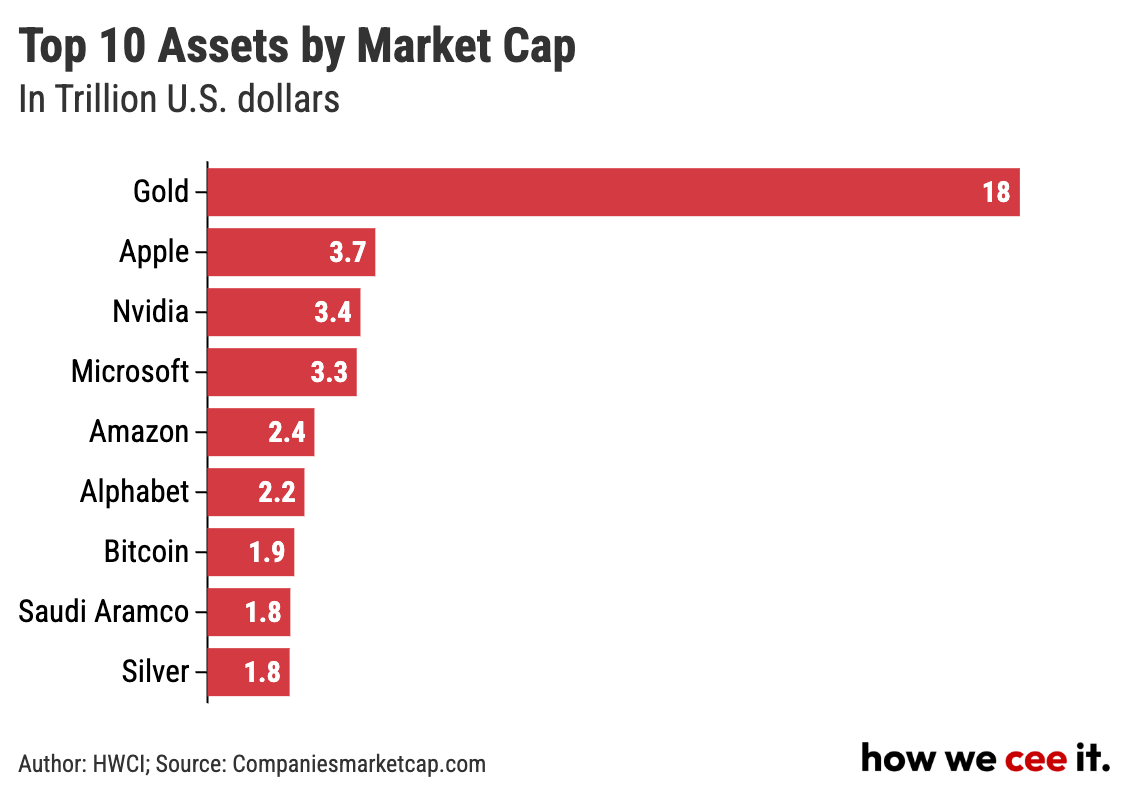
A perfect storm of rising Bitcoin ETFs, lower interest rates, and Trump’s reelection has driven a surge in crypto markets. Bitcoin recently reached a record price of over $103,000 and is currently trading at over $98,700. The biggest cryptocurrency is now the 7th most valuable asset by market cap in the world.
Can Europe Step Up Its Space Game Before It’s Too Late?
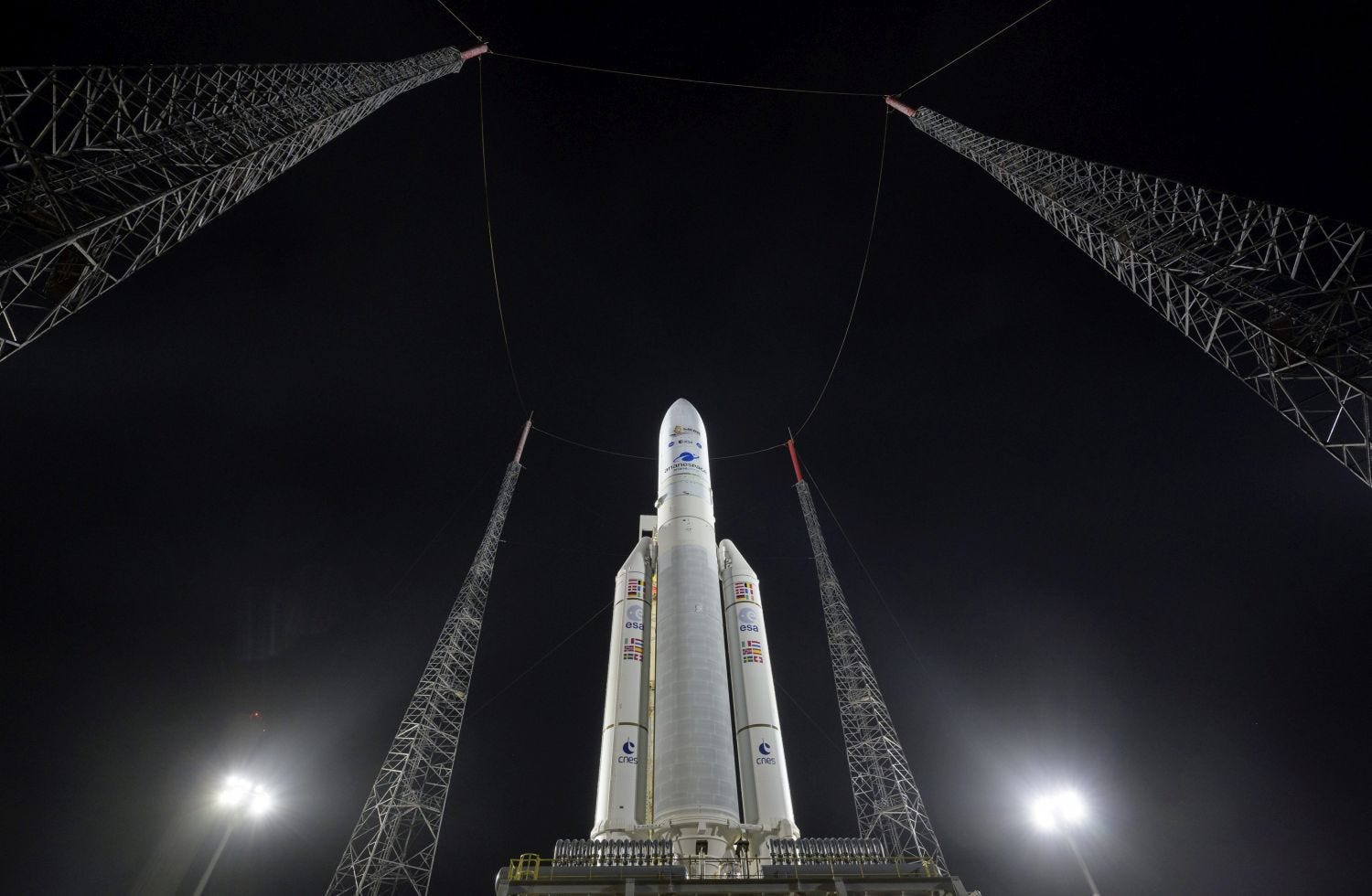
Europe’s space sector is at a critical crossroads, balancing bold ambitions with tough realities. On one side, Project Bromo—a joint venture between Airbus, Thales, and Leonardo—represents an opportunity for Europe to develop its own satellite network, reducing reliance on foreign systems like SpaceX’s Starlink. With the global space economy projected to grow to $1.8 trillion by 2035, Project Bromo and other European space projects are not just about competitiveness—they are about securing Europe’s strategic independence in an increasingly interconnected world.
However, Airbus’ recent announcement of 2,000 job cuts in its defense and space division exposes the financial and structural challenges facing Europe’s aerospace giants. While companies like SpaceX surge ahead, Europe’s bureaucratic hurdles and fragmented approach could delay progress and stifle innovation.
Meanwhile, the looming specter of militarization in space adds urgency to Europe’s efforts. Russia’s Cosmos 2553, suspected of being a precursor to a nuclear anti-satellite weapon, highlights the risks of unchecked space weaponization. A nuclear detonation in low-Earth orbit wouldn’t just disrupt satellites—it could render parts of space unusable for years, jeopardizing critical global services like communication and navigation.
To lead in space, Europe must act decisively. Fast-tracking its space projects, streamlining regulations, and securing unified political and financial backing are essential. This isn’t just about building satellites—it’s about safeguarding Europe’s future in the space economy and ensuring resilience against emerging threats.
The EU Ties Partnerships With South America As U.S. Tariffs Loom
The European Union has struck a landmark trade agreement with Argentina, Brazil, Paraguay, and Uruguay—the Mercosur bloc—creating one of the largest trade zones in the world. This deal comes as part of the bloc's efforts to prepare for potential import tariffs that Donald Trump has vowed to implement if he returns to office.
For Central and Eastern Europe, such tariffs could hit Slovakia particularly hard. With 20% of its non-EU exports heading to the U.S., the country’s key car production sector faces significant risks
Side notes:
A Cyprus shell company tied to an associate of Slovakia's central bank governor and ex-finance minister Peter Kažimír received €1 million during Jaguar Land Rover plant talks in 2015. Earlier, it got another €1.5 million, which Kažimír’s partner then used to buy a villa in France. The investigation, which has sparked suspicions of corruption, was brought to light by journalists from ICJK and Denník N.
Chinese automakers are increasing hybrid vehicle exports to Europe, leveraging their exemption from the EU's new EV tariffs to challenge European and Japanese dominance. Hybrid exports are expected to grow 20% this year.
The European Central Bank plans to lower interest rates more swiftly than initially anticipated to stimulate an economy grappling with slower growth and subdued inflation.
About us
‘how we cee it’ is a fresh take on the stories shaping the world of business and tech. From groundbreaking global developments to innovations closer to home, we dive into what’s happening across the globe, all through a distinctly European lens.
In a world where Silicon Valley dominates the narrative, we’re here to explore what global developments mean to Europe and elevate stories from its Central and Eastern regions. Daniel Hudak, with his marketing & business development background, and Tomas Hrivnak, a journalist specializing in economy and business, bring their combined expertise to uncover and highlight the stories that matter.
Whether it’s a breakthrough in AI, a startup shaking up an industry, or countries’ developments that could redefine the future, we’re here to share what matters.
Each week, you’ll find our "Story of the Week" alongside thought-provoking insights. Down the road, we’ll be adding our own analyses and takes on key topics. Whether you’re an entrepreneur, a tech enthusiast, or someone curious about Europe’s place in the global landscape, we’re glad to have you with us.
Let’s dive into the world—how we cee it.